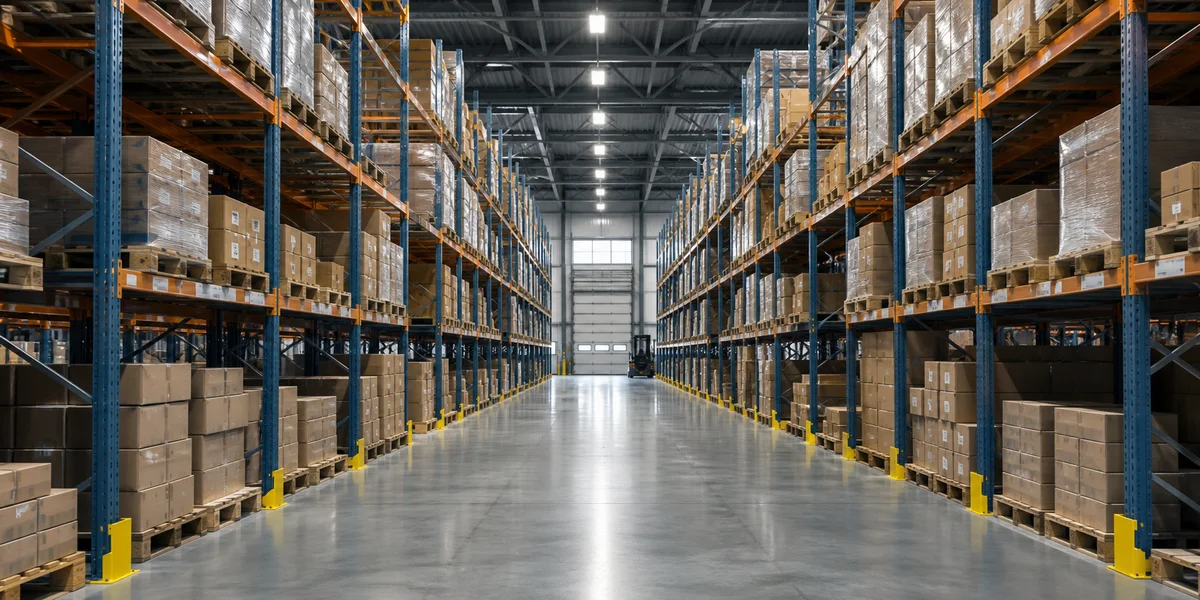
Perimeter and gate monitoring
Separate long-range detection from identification at gates. Lighting, fence lines, weather and vehicle speed affect camera and lens selection.
Industrial sites need dependable surveillance across perimeter fences, production areas, storage zones and vehicle access points.
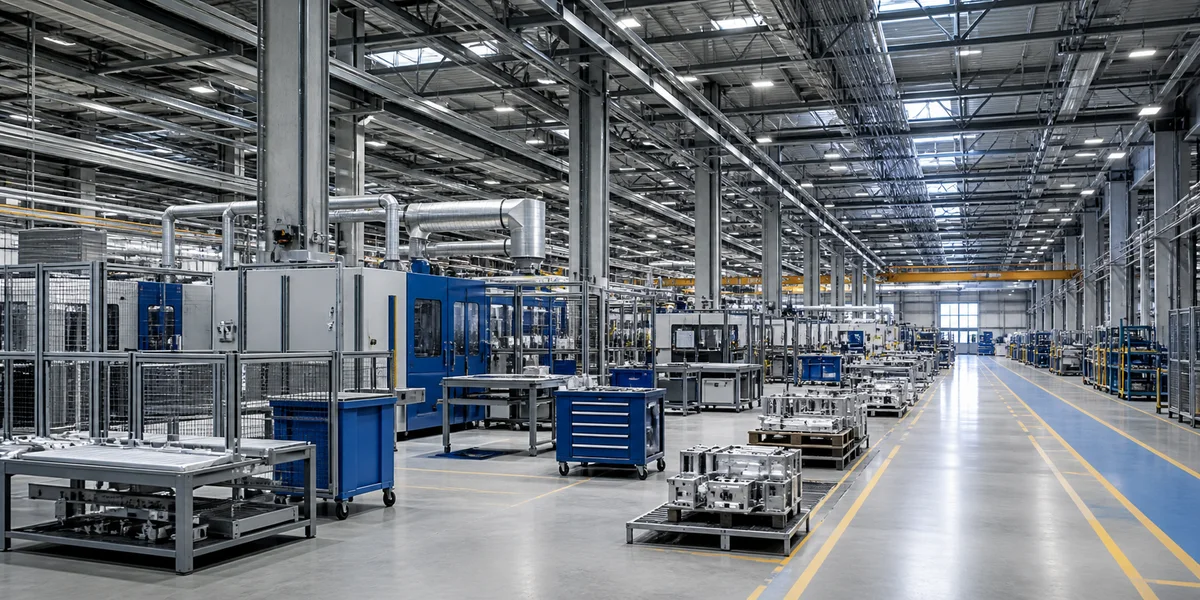
Use these project factors to narrow the right camera, recorder and network architecture before comparing individual models.
Separate long-range detection from identification at gates. Lighting, fence lines, weather and vehicle speed affect camera and lens selection.
Confirm whether cameras support safety review, process visibility or incident evidence, then keep critical machinery and access routes in view.
Position overview and identification cameras around entry lanes, loading areas and visitor routes according to traffic direction and target detail.
Review temperature, dust, water exposure, vibration, corrosion risk, cable routes and maintenance access before specifying housings and mounts.
These details help a supplier or integrator prepare a more relevant camera, recorder and network shortlist.
Start with entrances, critical operating areas, perimeter zones and the evidence detail each location requires.
Confirm bandwidth, PoE capacity, recorder channels and retention targets before finalizing camera quantities.
Shortlist compatible cameras, recorders and accessories as one system, then confirm regional versions and availability.
The required rating depends on the installation zone. Outdoor, wash-down, dusty or corrosive environments may require different enclosure, material and mounting specifications.
One overview camera may show general activity but usually cannot provide detailed evidence across a long line. Define the required detail at each critical stage before deciding camera quantity.
Send the site type, estimated camera quantity, destination and required recording period for a practical quotation path.