Loading bays and entrances
Use the expected subject distance, vehicle movement and backlight conditions to select camera position, focal length and WDR capability.
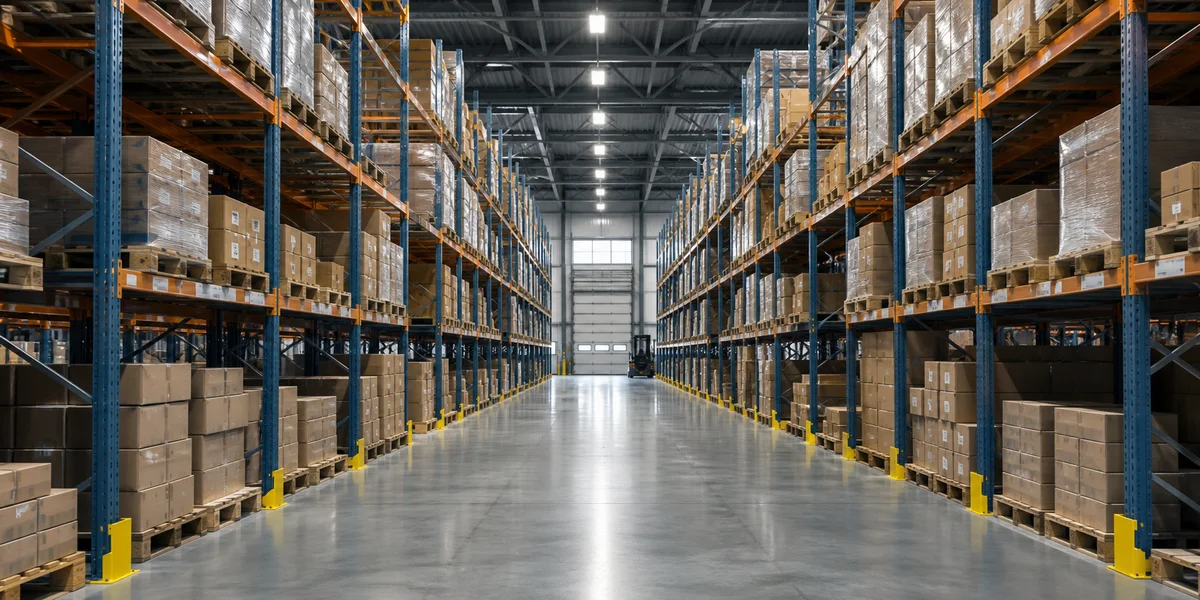
A warehouse surveillance system must balance wide-area coverage, low-light performance, loading-bay visibility and reliable evidence storage.
Use these project factors to narrow the right camera, recorder and network architecture before comparing individual models.
Use the expected subject distance, vehicle movement and backlight conditions to select camera position, focal length and WDR capability.
Plan identification and overview coverage separately. Mounting height, aisle width and shelf obstruction determine whether fixed or vari-focal cameras are appropriate.
Confirm ambient lighting, reflective surfaces and required identification distance before selecting IR, white-light or low-light camera technology.
Calculate channels, recording bitrate, retention days, redundancy and PoE capacity with headroom for future cameras.
These details help a supplier or integrator prepare a more relevant camera, recorder and network shortlist.
Start with entrances, critical operating areas, perimeter zones and the evidence detail each location requires.
Confirm bandwidth, PoE capacity, recorder channels and retention targets before finalizing camera quantities.
Shortlist compatible cameras, recorders and accessories as one system, then confirm regional versions and availability.
There is no reliable camera-per-square-metre rule. Quantity depends on entrances, aisle geometry, identification zones, loading bays, perimeter coverage and acceptable blind spots.
Fixed lenses suit predictable overview positions. Vari-focal lenses are useful where installers must adjust the field of view or identification distance on site.
Send the site type, estimated camera quantity, destination and required recording period for a practical quotation path.