Entrances and storefronts
Balance facial detail with changing daylight and glass reflections. Camera position should avoid severe backlight and overhead-only views.
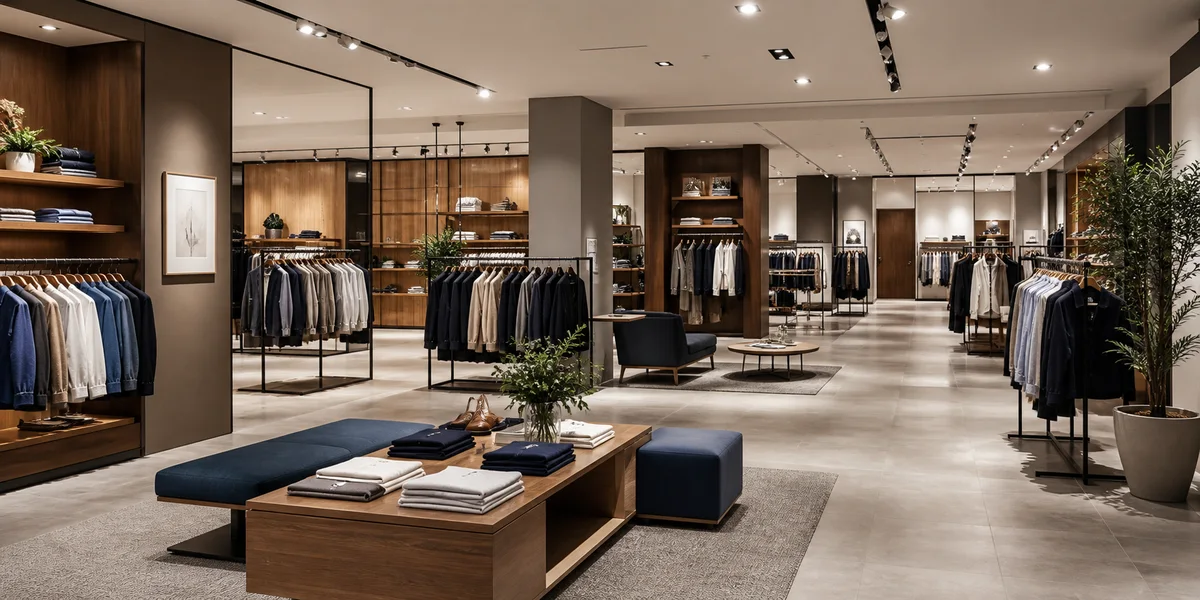
Retail security combines loss prevention, customer-area visibility and operational awareness without creating blind spots around entrances, aisles and checkout areas.
Use these project factors to narrow the right camera, recorder and network architecture before comparing individual models.
Balance facial detail with changing daylight and glass reflections. Camera position should avoid severe backlight and overhead-only views.
Define whether the goal is transaction overview, item detail or customer identification, then select resolution and lens coverage accordingly.
Use overlapping overview coverage while respecting local privacy requirements and avoiding unnecessary monitoring of neighbouring premises.
Set retention based on incident discovery time, camera bitrate and operating hours, with permissions for authorized users.
These details help a supplier or integrator prepare a more relevant camera, recorder and network shortlist.
Start with entrances, critical operating areas, perimeter zones and the evidence detail each location requires.
Confirm bandwidth, PoE capacity, recorder channels and retention targets before finalizing camera quantities.
Shortlist compatible cameras, recorders and accessories as one system, then confirm regional versions and availability.
Typical priority areas include entrances, checkout positions, high-value displays, stock rooms and receiving doors. Final placement should follow the store layout and incident risks.
Audio recording may be restricted by local law and should not be enabled by default. Confirm legal requirements and business necessity before selecting or activating audio features.
Send the site type, estimated camera quantity, destination and required recording period for a practical quotation path.